
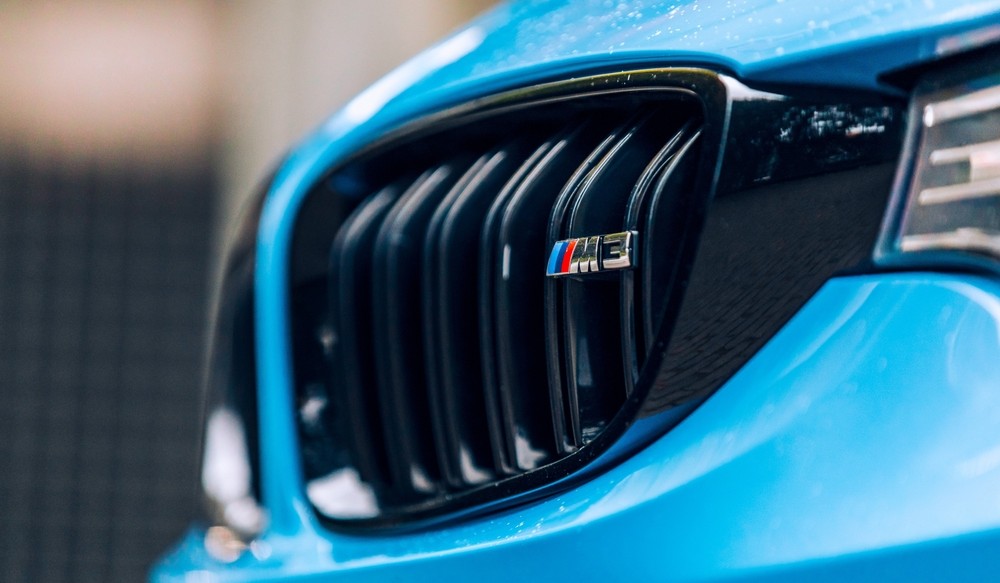
The most common BMW faults include oil leaks, iDrive and electrical glitches, ignition coil failure, transmission problems, air suspension faults and clogged diesel particulate filters, with the exact issues varying by model and generation. At Prestige and Performance, we specialise in the repair and maintenance of BMW vehicles and through years of hands-on experience, we’ve become familiar with a wide range of recurring faults. From oil leaks to electrical issues, here are some of the most common problems we address across the BMW range.
1. Oil Leaks (Valve Cover & Oil Filter Housing)
Oil leaks are a well-known issue in many BMW engines, particularly around the valve cover gasket and oil filter housing. These can lead to low oil levels and long-term engine damage if left unresolved.
M3 owners in particular should also be aware of a more serious oil-related issue. We explain the warning signs and prevention for S65 rod bearing failure in a dedicated guide.
Common in:
BMW 3 Series (E90–E93), 5 Series (E60), X5 (E70), X6 (E71)
2. iDrive System Malfunctions
BMW’s iDrive infotainment system is sophisticated but can sometimes suffer from freezing, blank screens, or complete failure.
Reported in:
BMW 5 Series (E60, F10, G30), 3 Series (F30, G20), 7 Series (E65, F01), X5 (E70), X6 (E71)
3. Battery Drain & Electrical System Faults
Unexplained battery discharge is often linked to faulty modules, keyless entry systems, or software issues.
Seen in:
BMW 3 Series (E90, F30), 4 Series (F32–F36), 5 Series (E60, F10), X5 (E70), X6 (E71)
4. Ignition Coil Failure
Faulty ignition coils are a frequent cause of engine misfires, poor performance, and check engine lights. Sometimes these issues are mistaken for transmission problems.
Common in:
BMW 3 Series (E90, F30), 4 Series (F32–F36), 5 Series (E60), X5 (E70), X6 (E71)
5. Transmission Issues
Problems such as harsh shifting, delayed gear engagement, SMG pump failure, or fluid leaks can affect driving comfort and gearbox lifespan, if you’re also noticing brake-related issues, our Platinum ATE Brake Centre can help.
Most frequently seen in:
BMW 3 Series (E90, F30, F34), 5 Series (E60, F10), X3 (F25), X5 (E70, F15), X6 (E71, F16)
6. Air Suspension Faults
BMW models fitted with air suspension may experience issues like sagging suspension, compressor failure, or electronic faults.
Typically seen in:
BMW X5 (E53, F15), X6 (E71, F16)
7. DPF (Diesel Particulate Filter) Issues
Clogged DPFs (Diesel Particulate Filters) can lead to power loss, poor fuel economy, or dashboard warnings if regeneration doesn’t occur as expected.
Found in:
BMW 3 Series (E90–E93), 1 Series (E81–E88), X3 (E83), X5 (E70/E71)
8. Cooling System Failures
BMW cooling systems rely heavily on plastic components and, on many petrol engines, an electric water pump. Over time, water pumps, thermostats, expansion tanks and coolant pipes can fail, leading to coolant leaks, overheating warnings or the car going into limp mode. Because overheating can quickly cause serious engine damage, any coolant warning should be checked straight away.
Common in:
BMW 3 Series (E90, F30), 5 Series (E60, F10), X3 (E83), X5 (E70)
BMW Model Spotlight: Common Faults By Generation
Some BMW owners search for issues specific to a particular model or generation rather than a general fault type. Here is a closer look at two of the questions we’re asked most often.
BMW X3 (E83) Common Issues
The first generation X3, built between 2004 and 2010, is prone to a specific cluster of issues on top of the DPF problems noted above. Timing chain wear on the N47 diesel engine is a well known concern, along with cooling system failures affecting the thermostat, water pump and radiator. Oil leaks from the valve cover and oil filter housing are also common, along with occasional ABS and DSC electronic faults. Given the age of these vehicles now, a full diagnostic check is the most reliable way to identify which of these issues is present.
Why Do Older BMW Generations Show More Faults Than Newer Ones?
Faults tend to cluster around specific generations such as the E60, E70 and E90 because these vehicles are now well past a decade old, and rubber, plastic and electronic components naturally degrade with age and mileage. Cooling systems, engine mounts, oil seals and electronic modules are the most common failure points across these older chassis codes. Newer generations are not immune to faults, but the specific issues tend to shift toward software and electronics rather than mechanical wear.
If your BMW is showing any of these signs, book a diagnostic at our Coorparoo or Capalaba workshop and we’ll confirm the fault and quote before doing any work. Call (07) 3324 0611 or (07) 3180 1888.
Early Warning Signs BMW Owners Should Act On
Many BMW faults begin with subtle changes such as rough idle, delayed gear shifts, intermittent warning lights, increased fuel consumption, or unusual noises on cold start. Electrical glitches, battery drain, or hesitation under acceleration can also indicate early-stage issues. There is plenty you can do between visits too. Our simple tips for looking after your car between services cover the basic checks every owner should keep up. Addressing these symptoms early often prevents minor faults from developing into costly repairs. Staying on top of your log book servicing is one of the best ways to do this.
BMW Technicians You Can Trust
While these faults represent some of the more common issues we resolve, they’re only part of what we handle daily. We also offer dedicated BMW performance upgrades for owners who want to get more from their vehicle. At our BMW service centre in Brisbane, our experienced technicians are equipped with specialist tools and extensive experience working on BMW models from all generations. If your BMW is showing any of these symptoms, book a diagnostic at our BMW service centre in Brisbane or call us on (07) 3324 0611. We’ll confirm the fault and quote before doing any work.
Frequently Asked Questions
What is the most common BMW fault?
Oil leaks are among the most common BMW faults we see, usually from the valve cover gasket or oil filter housing gasket. Cooling system parts, ignition coils and electrical modules follow close behind, and the exact pattern depends on the model and generation.
Why is my BMW burning or losing oil?
BMW engines can consume oil through worn valve seals, a leaking valve cover gasket, or failing piston rings on higher mileage engines. A small drop between services can be normal, but noticeable loss or blue exhaust smoke should be checked to prevent engine damage.
Which BMW models have the most faults?
Older generations such as the E60, E70 and E90 tend to show more faults simply because of age and mileage, with cooling, oil seal and electronic issues most common. Newer models are more reliable mechanically but can develop software and electronics faults instead.
Is it safe to keep driving my BMW if a warning light comes on?
Some warning lights indicate minor issues, while others signal problems that can cause further damage if ignored. If a warning light appears, it is best to have the vehicle checked as soon as possible to avoid turning a small issue into a costly repair.
How much does it cost to fix a common BMW fault?
Repair cost depends on the fault, the model and the parts involved, so we provide a base quote before any work begins and confirm with you if anything changes after inspection. Catching faults early through regular servicing usually keeps repair costs lower.
Got a fault not listed here? Contact us today and our technicians will identify the root cause and offer tailored solutions to get your BMW running at its best.